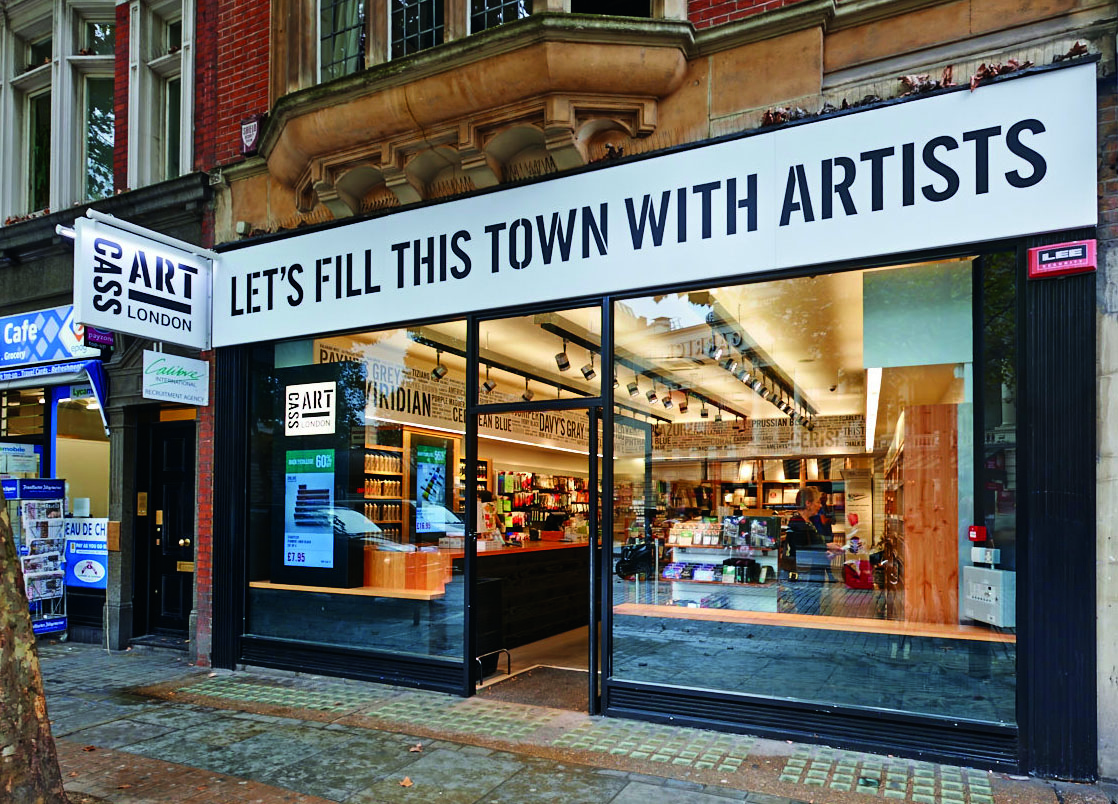
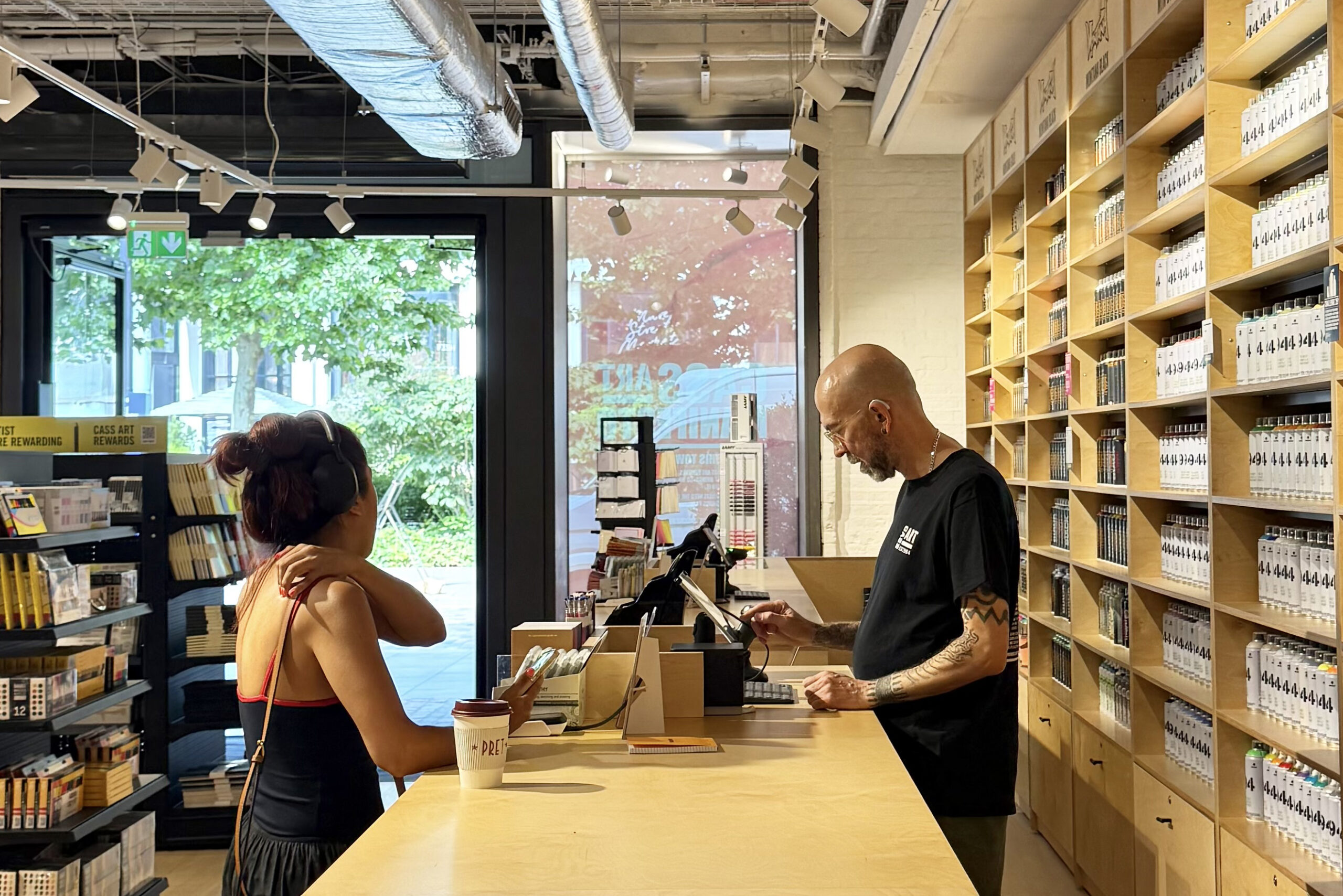
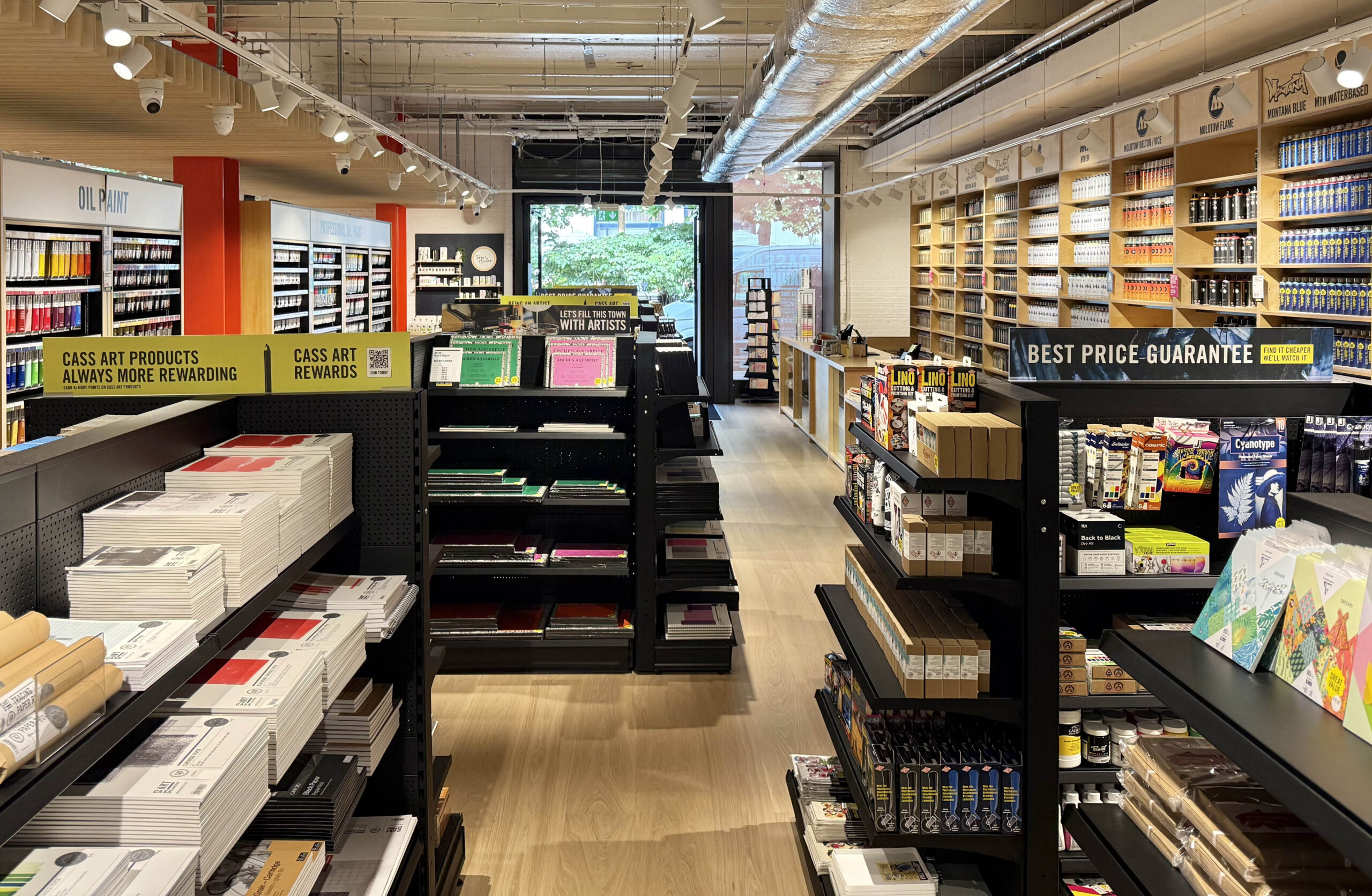
Cass Art has deep roots in the art world, with the Cass family’s involvement going back over 100 years. It all started in 1984 when Mark Cass took over a small shop near the National Gallery. We initially expanded to 6 stores across London before growing our network to 14 stores nationwide. We had some investment to help us expand. In 2013, we launched the online store, which has become a big part of the business. In 2022, they bought the Teaching Art Group, including one of the biggest art membership schemes in the UK. Cass Art's main mission is to support artists, teachers, and students, and their goal is to help everyone stay creative.

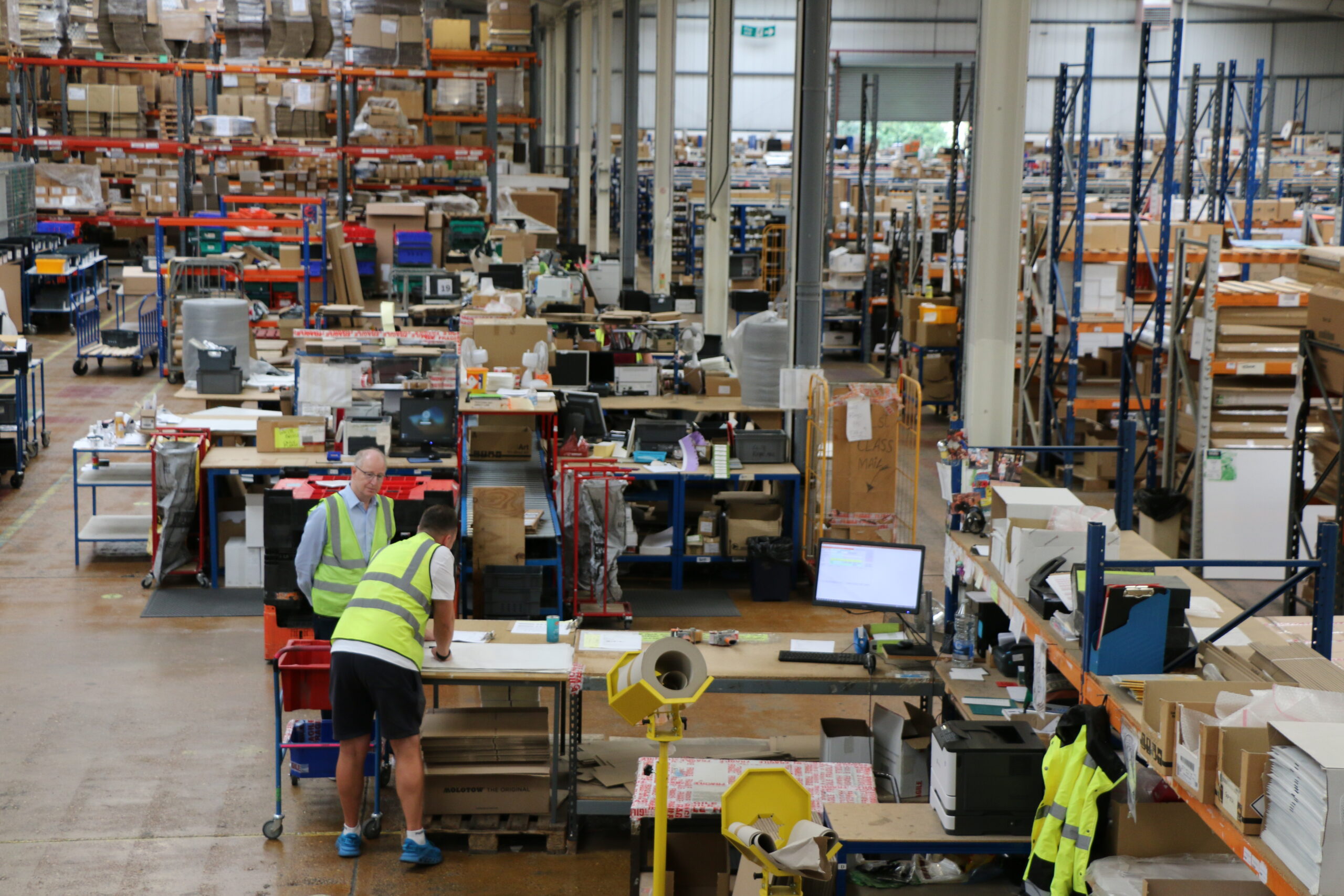
We used to outsource all of our logistics, but when Teaching Art Group was acquired in July 2022, we brought the entire fulfilment operation in-house. Now, Cass Art runs from our own 45,000-square-foot distribution centre in Newark.
Before switching to NetSuite, we used BigCommerce for e-commerce and Mintsoft to handle orders, which connected to Parcelhub for shipping labels. This setup worked well, but when we upgraded to NetSuite, we couldn’t replicate that connection directly, so we had to find a new solution. Today, we manage about 200,000 parcels a year, shipping about 3,500 parcels a week and managing 25,000 products across our online shop and 14 stores.

We inherited what I’d call a “constellation of legacy systems.” These systems were outdated, didn’t meet the needs of our combined business, and couldn’t support our move into modern omnichannel commerce. So, we decided to build our new technology setup with NetSuite as the central system. This project brought together NetSuite, a new till system, and integrations across our web infrastructure. We also needed a shipping solution that could work with NetSuite because our old Mintsoft connection couldn’t be carried over. Once the NetSuite project got underway, we knew Shiptheory had to be part of the new setup.

We worked with a NetSuite partner to implement the system, which went live in July 2025 alongside our new till system and web integrations. Extensive pre-launch testing helped us identify and resolve operational issues early. Our team configured most of the shipping rules, while Shiptheory handled the technical back-end integrations. Shiptheory’s engineer stayed involved from our first conversations through to delivery and was brilliant throughout.
The transition from our old shipping technology was seamless. Everything we’ve needed from Shiptheory has worked exactly as required, and we haven’t encountered an issue that has prevented us from producing a label. NetSuite has also given us greater robustness and visibility, while our logistics and distribution manager has been absolutely delighted with Shiptheory’s ongoing support.

Our previous shipping setup worked well, so it was important not to disrupt fulfilment when changing technology. The new system had to manage products of all shapes and sizes - large canvases and odd-sized products add extra challenges for packaging and delivery. Carrier rules can change, sometimes triggering out-of-gauge charges after parcels are already in the network. We looked into automated volumetric and weight-driven processes, including 3D scanners and weighing conveyors, but our parcel volume didn't justify the cost and complexity.
Instead, we use nine standard packaging sizes and a 5S system where every packing station is organised the same way. Shiptheory's shipping rules suggest the best carrier service for each order, and our warehouse team picks the right packaging and sets up the shipment. When something unusual pops up, like a carrier changing their rules, Shiptheory's support team helps us sort it out.

We’re always looking for ways to grow because there are still plenty of towns we want to “fill with artists.” While we have 14 stores now, we’re constantly evaluating if opening more locations is the best way to expand nationally. At the same time, we’re exploring ways to give our ecommerce customers better delivery options, like letting them redirect parcels to lockers or change their delivery while the order is still in transit. Ideally, we want to offer more choices right at checkout, rather than waiting until after the parcel has shipped. We’re working closely with Parcelhub to keep these options in mind and make sure our delivery services keep up with what our customers expect. Overall, our focus is on improving and maintaining the service experience as both our retail and ecommerce sides continue to grow.