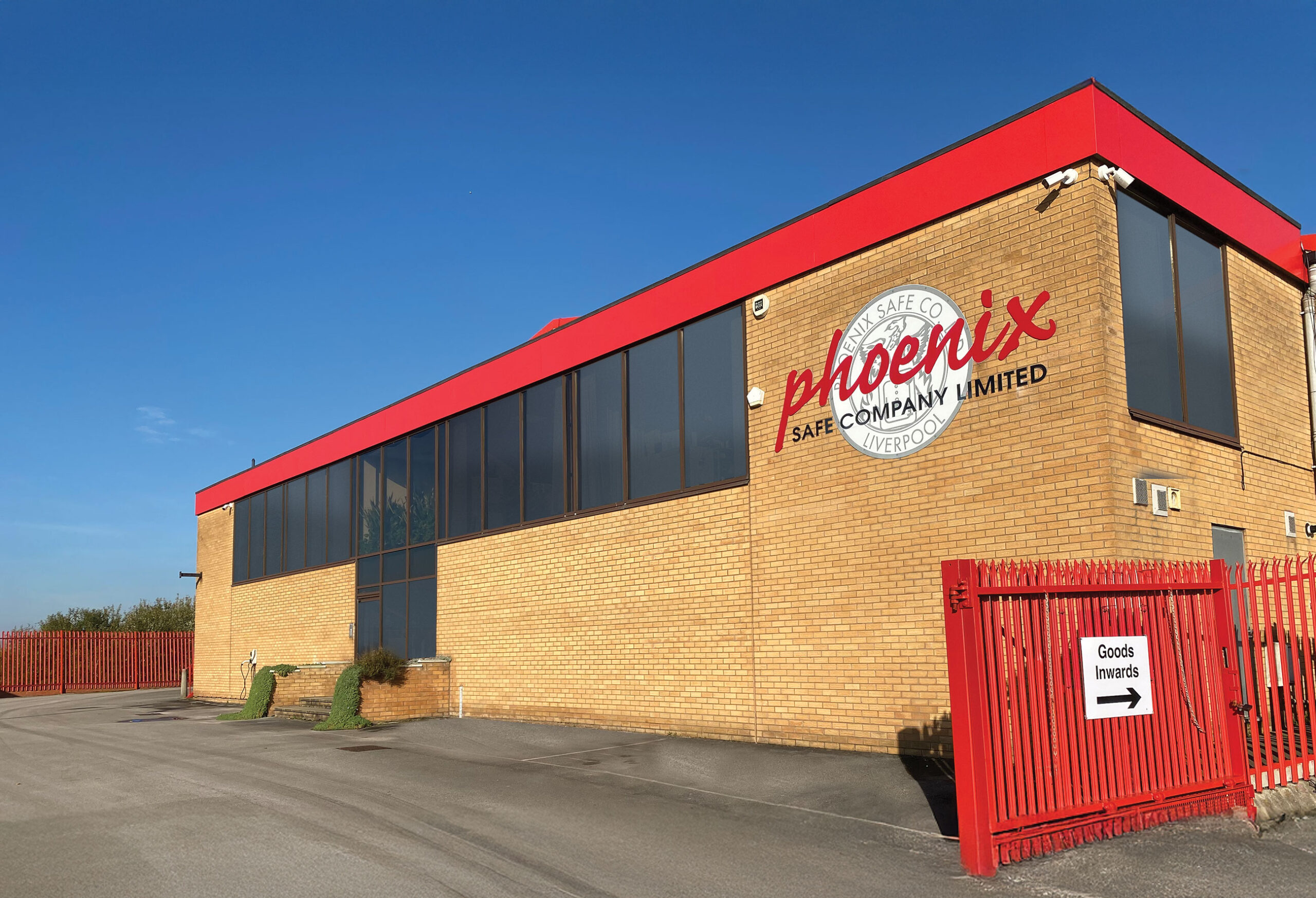
Phoenix Safe Company was founded over 225 years ago, although the current business was established in 1986 by my father, John Thompson and John Solomon. They came together during the early days of business computing. Companies were beginning to use Amstrad computers and floppy disks, but the data safes at the time were huge, designed for large data reels and too expensive for small businesses. Due of this, we developed one of the first compact data safes.
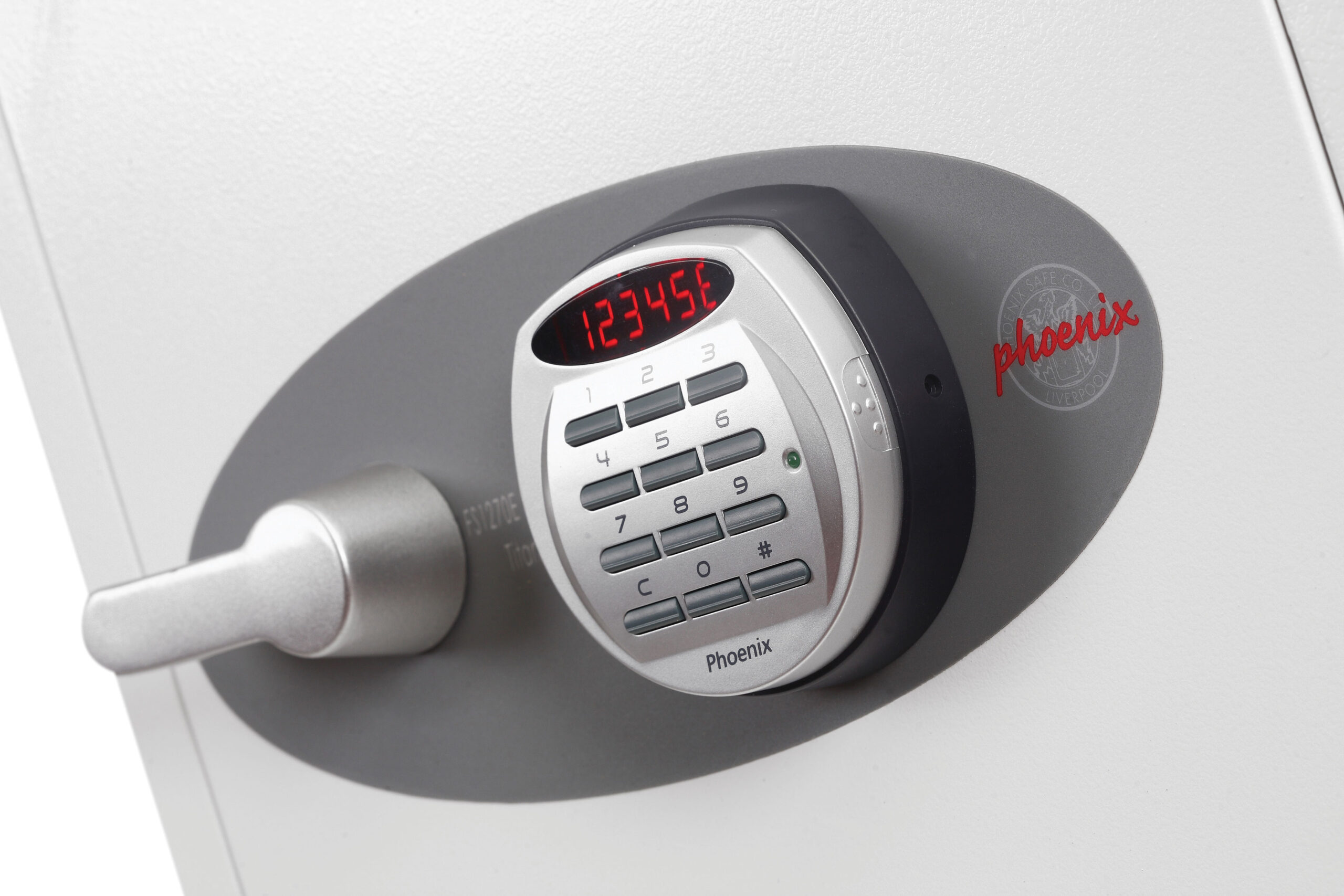
Fire protection became our specialism, from data safes to paper fire safes, which is where we got our name - a Phoenix rising from the ashes. From there, we moved into security safes, high-security safes and increasingly specialist products. Today, we supply everything from a small home safe to a complete vault.

We had used a heavily customised version of Pegasus Opera for years, but we knew we had outgrown it.
Bespoke programs generated labels by connecting Opera to each carrier, but the connections only worked one way, so tracking data did not return to us. Our team had to use separate carrier portals to check deliveries, while updates often arrived as CSV files that needed to be manually filtered before being sent to dealers. Adding a new carrier also meant paying for another bespoke program, making the entire process costly and time-consuming.

We knew we needed to modernise the technology supporting the business. After looking at several systems, we selected Microsoft Dynamics 365 Business Central because it was cloud-based and could support us and our needs. Now, we use it for everything from sales order processing to accounting. It also lets us connect services such as EDI, electronic trading, and Shopify as the business develops.
Our original plan was to commission another bespoke connection for every carrier. Then a business in our office building mentioned Shiptheory. Our Business Central consultants hadn't heard of it either, but once we showed it to them, they immediately saw that it offered a far better way to manage our carrier connections. They contacted Shiptheory, the integration was built, and we introduced it alongside Business Central.


The main difference is flexibility. We can configure and test supported carriers within the new setup, create the relevant shipping rules and make delivery information available within Business Central.
We currently use it to manage DPD, DX Express and DX Freight across the smaller and mid-sized products in our range. Palletways is also being tested, which will allow us to bring pallet shipments into the same process. Depending on the season, our UK and German operations process and ship around 300-350 items through the integration.

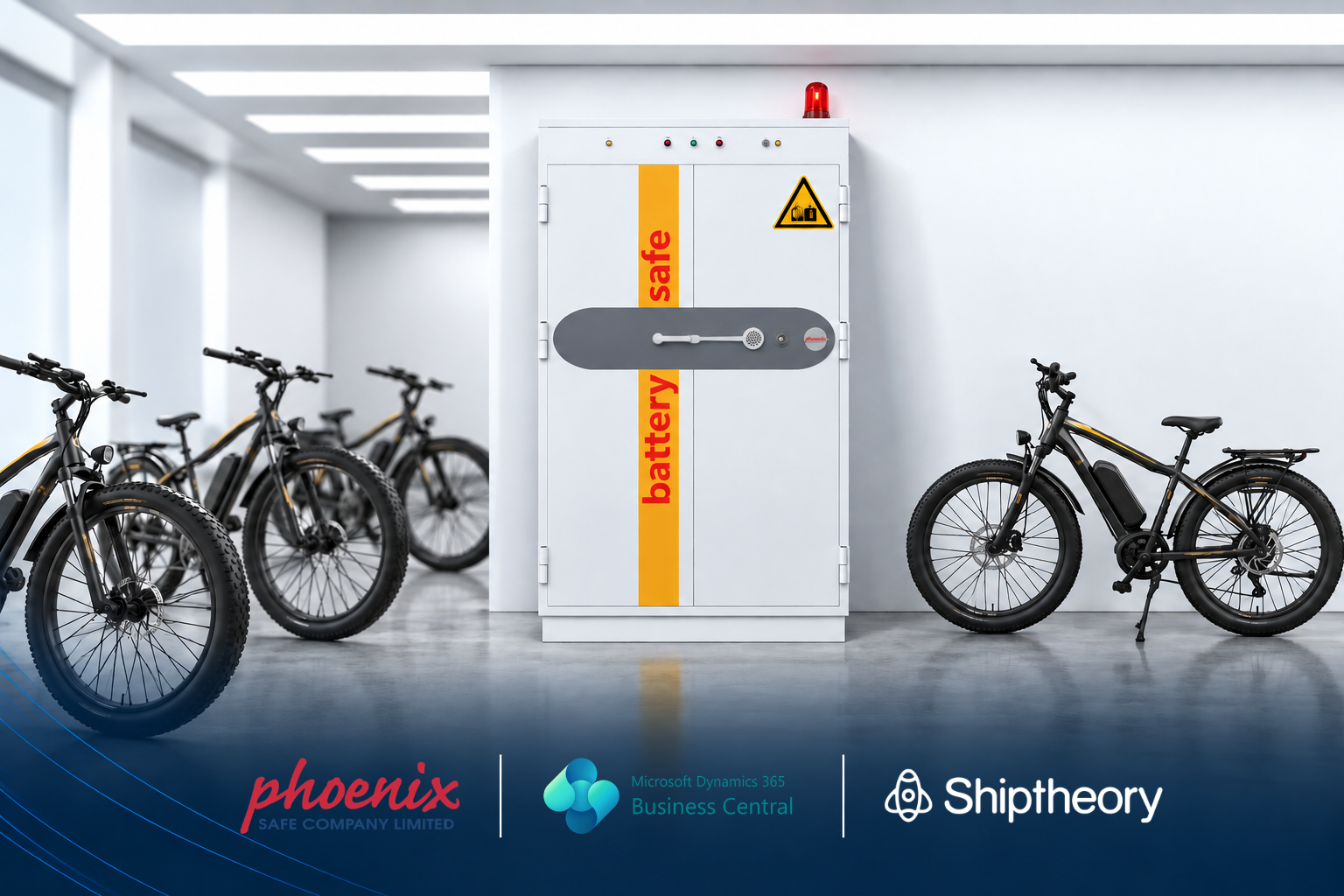
A major focus for us is our lithium-ion battery safe range. Our latest model has the largest capacity and highest tested rating currently available for a lithium-ion battery safe, so we see significant potential in this area.
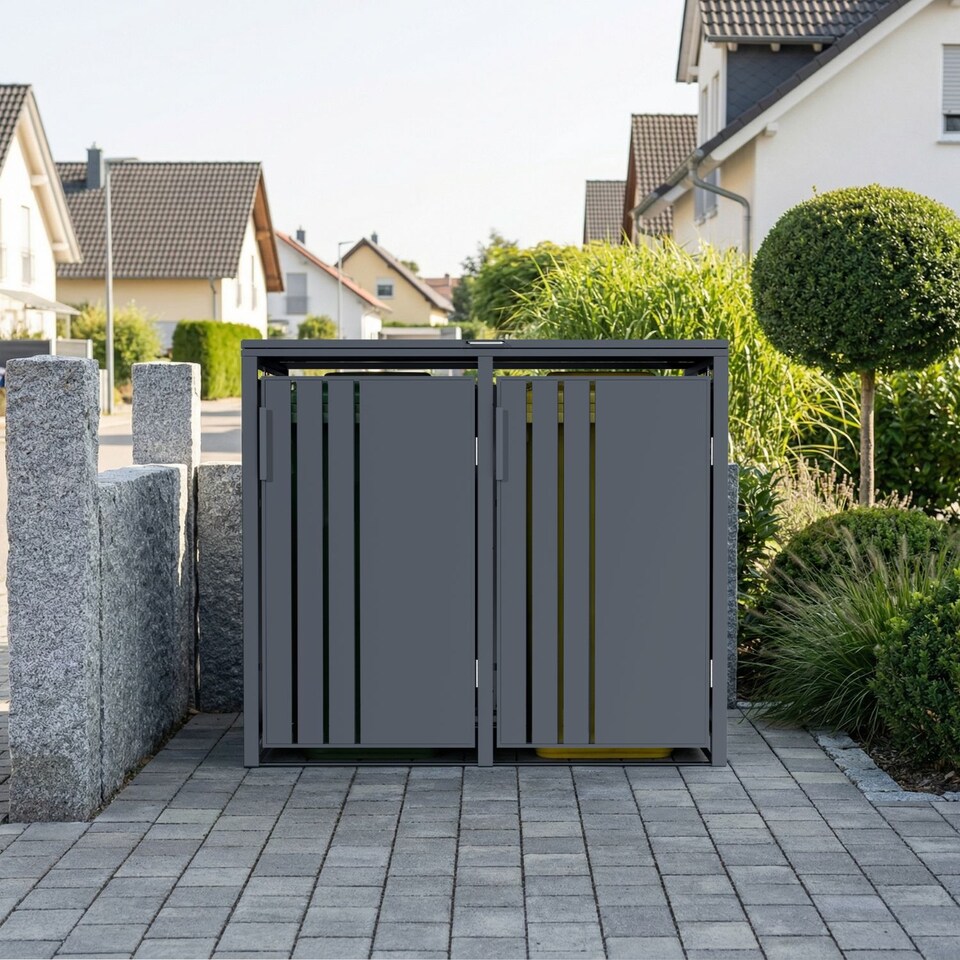
We are also expanding beyond safes. As part of a wider manufacturing group, we have access to an extensive network of factories. This helped us launch an outdoor-living range around 18 months ago, which has grown quickly. We are now preparing to launch a dedicated brand for the range and will continue shipping those products through carriers connected to Shiptheory.
Alongside this growth, we plan to continue improving our internal processes. Business Central has already made delivery information easier to export and filter, while Power Automate will help remove more of the remaining manual work.