- Partner Blog
How Pickup Points Can Help Reduce Failed Deliveries

Failed deliveries represent an e-commerce cost that rarely ends with the carrier fee.
Pickup points remove much of the uncertainty by giving shoppers somewhere else to send an order when home delivery doesn’t suit them. The parcel goes to a staffed shop or locker, where the customer can collect it at their convenience.
For retailers already using carriers such as DPD, Evri or Royal Mail, much of the infrastructure is already there. What’s often missing is a way for customers to choose a collection point at checkout.
Why Home Delivery Fails
Home delivery works well when someone is there to receive the parcel or the carrier has somewhere safe to leave it. The problem is that neither can always be guaranteed.
Customers may be at work during normal delivery hours, which means no one is there to receive the parcel. In other cases, leaving an order outside simply isn't practical, and 39% of people worry about doorstep theft in the UK. The result is that 40% of people miss at least one parcel delivery every month, while roughly one in three parcels fails on the first attempt. Source.
A second delivery attempt adds to the cost without the benefit of an additional sale. It can also create more work for customer service teams if the shopper starts chasing the order while waiting for another attempt. The damage can last beyond the one order too, as 73% of UK shoppers are less likely to buy again from a retailer that fails to keep its delivery promise. Source.
The risk of a failed home delivery only makes the options offered at checkout more important. If a customer already knows they won't be home, offering several versions of home delivery doesn't necessarily solve their problem.
How Pickup Points Change the Delivery Journey
With out-of-home delivery on the table, the customer has another destination option. Instead of entering their home address and hoping someone is there when the driver arrives, they can choose a nearby parcel shop or locker. The carrier delivers to the chosen location and the customer collects the order afterwards, at a time convenient for them.
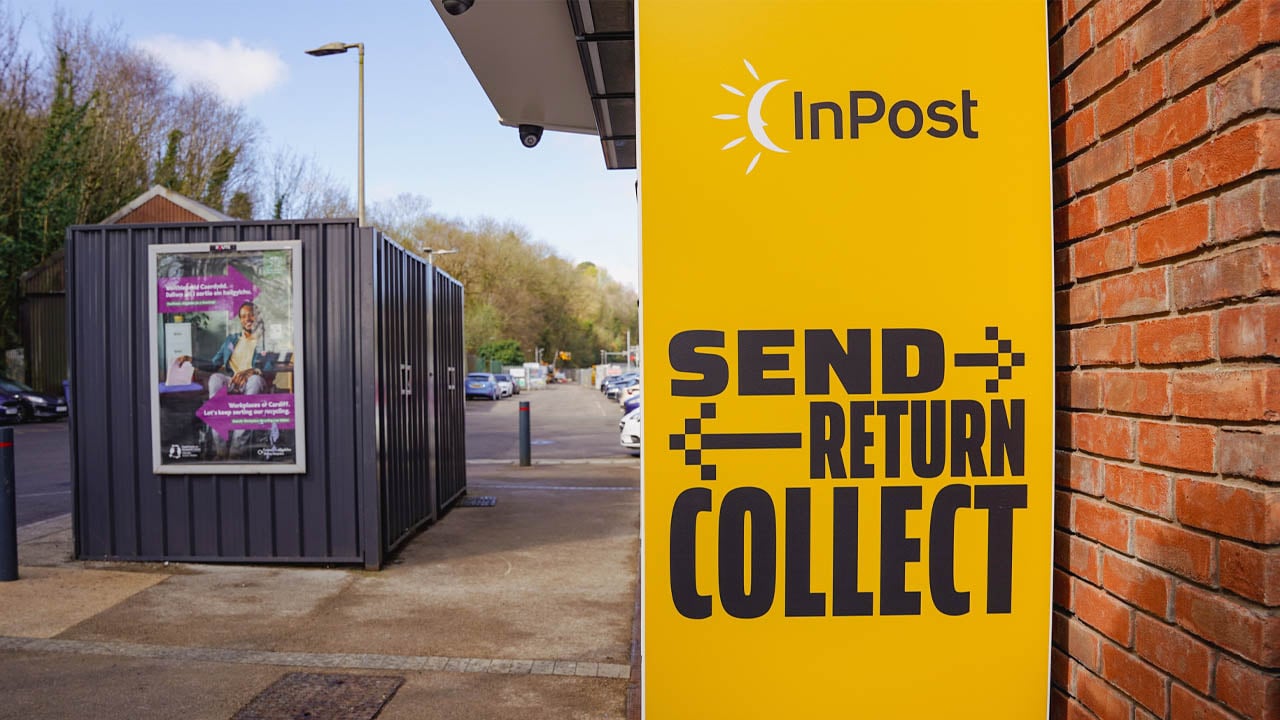
The UK network is already extensive. InPost alone has more than 15,000 lockers across the country, while carriers including DPD, Evri and Royal Mail have large networks of shops, lockers and collection points. Source.
The size of the UK pickup network makes collection a convenient option for anyone who passes a locker or parcel shop on the way to or from work or has one near somewhere they regularly shop.
Pickup services are also often cheaper to operate than residential delivery because carriers can leave several parcels at one location instead of making individual doorstep stops. Pickup also reduces the reliance on someone being home at the right time to receive an order.
Pickup Needs to be Visible at Checkout
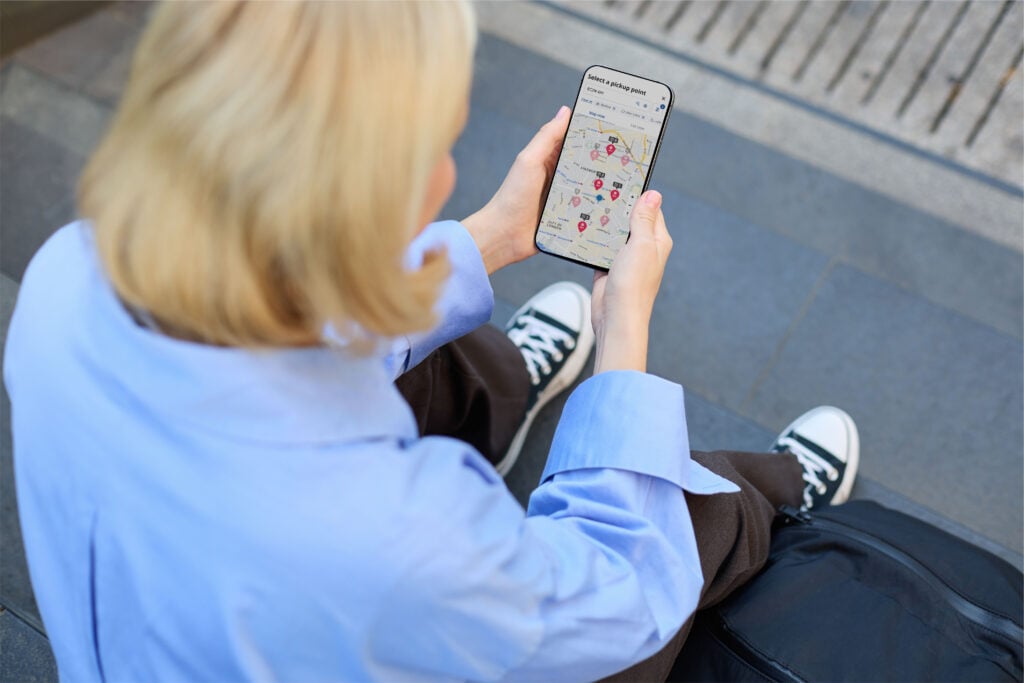
Having access to a carrier’s pickup network doesn’t automatically mean customers can use it. Shoppers need to see “collection” alongside the other delivery options and be able to choose a suitable location before placing their order.
The selected parcel shop or locker then needs to be saved with the order so the retailer’s fulfilment system knows where to send it. Without a way to select a pickup point at checkout, customers may have to choose home delivery even when they know they won’t be in.
What Retailers Need to Make Pickup Work
Retailers need to connect the location selected at checkout with the delivery service used during fulfilment. The chosen pickup point’s details must reach the system booking the shipment, so the parcel can be sent to the correct location using a supported carrier service.
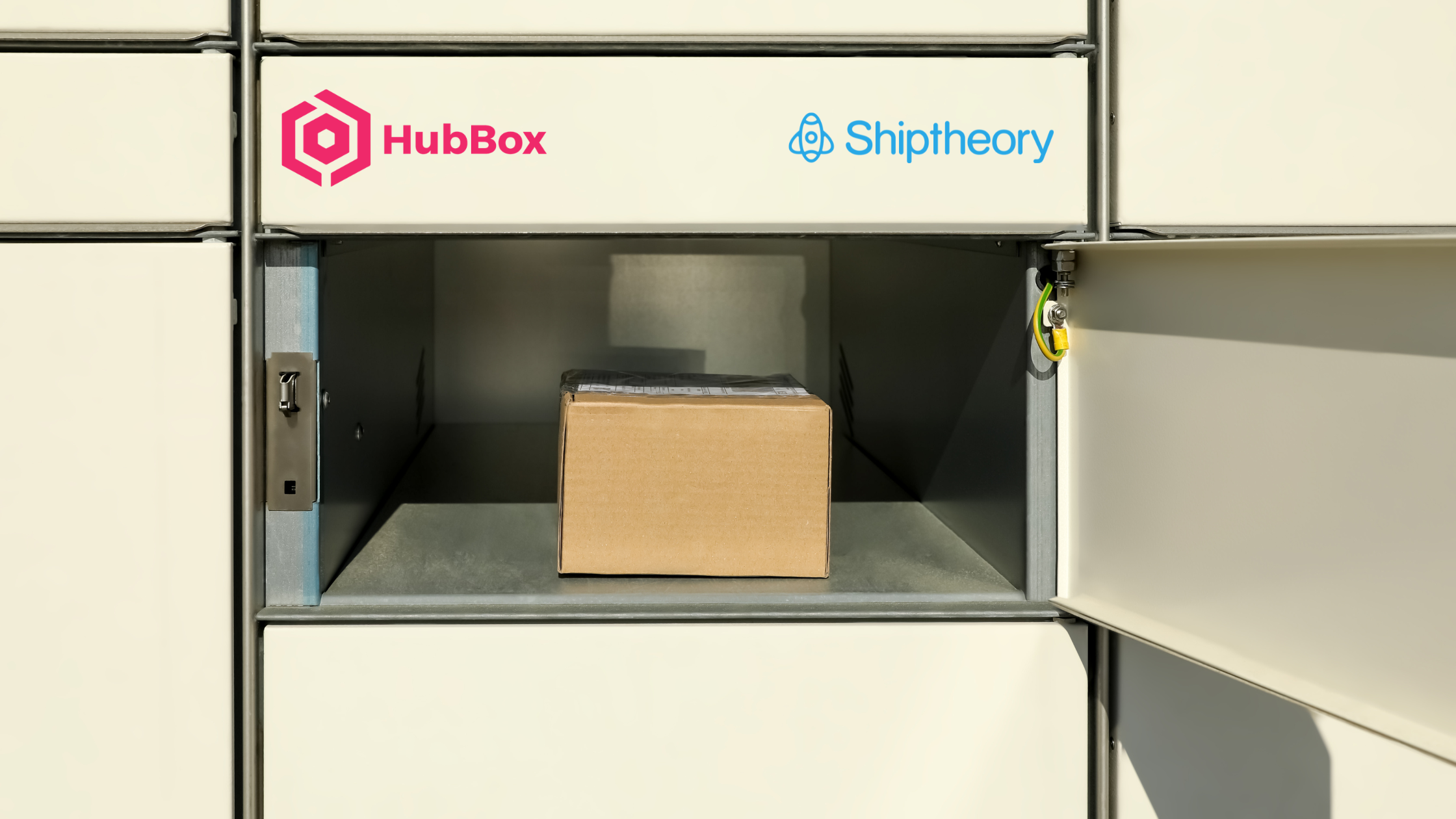
HubBox allows shoppers to select a pickup point from supported carrier networks at checkout. Retailers should check how the selected location is passed into their order and fulfilment systems, so the shipment can be booked with the correct pickup details.
The choice also needs to be practical for the customer. Distance, opening hours and collection deadlines all matter. A nearby shop may still be unsuitable if it closes before the customer finishes work, while a parcel that isn’t collected within the carrier’s deadline may be returned to the sender.
Checkout Details Worth Considering
Express payment options such as Apple Pay or PayPal can change the normal checkout journey and potentially bypass the point where delivery options would usually appear. Retailers should check that customers can still select a pickup point when using these routes, as well as through their mobile checkout.
Pickup availability also needs to reflect what is in the basket. Orders must meet the chosen carrier service’s size and weight limits, and bulky products such as mattresses may be unsuitable for lockers. Showing only eligible options helps prevent customers from choosing a delivery method that cannot be used when the order reaches fulfilment.
Reducing Failed Deliveries Starts at Checkout
Retailers looking to reduce failed deliveries should start by reviewing why their home deliveries fail and whether the options at checkout address those problems. Pickup points may help customers who cannot be home to receive an order, provided the locations are convenient, and the parcels are suitable for the service.
Making collection easy to choose, explaining any restrictions and ensuring the selected location reaches fulfilment gives retailers a practical way to turn delivery choice into fewer avoidable problems.
If you want to offer pickup points at checkout, speak to the HubBox team.
To see how Shiptheory works with your existing platforms to automate shipping, book a Shiptheory demo or contact us at support@shiptheory.com or call +44 117 403 4313 / +1 629 666 6726.