- Guides
- Shiptheory
Shipping Insurance: How It Works and Why You Need It

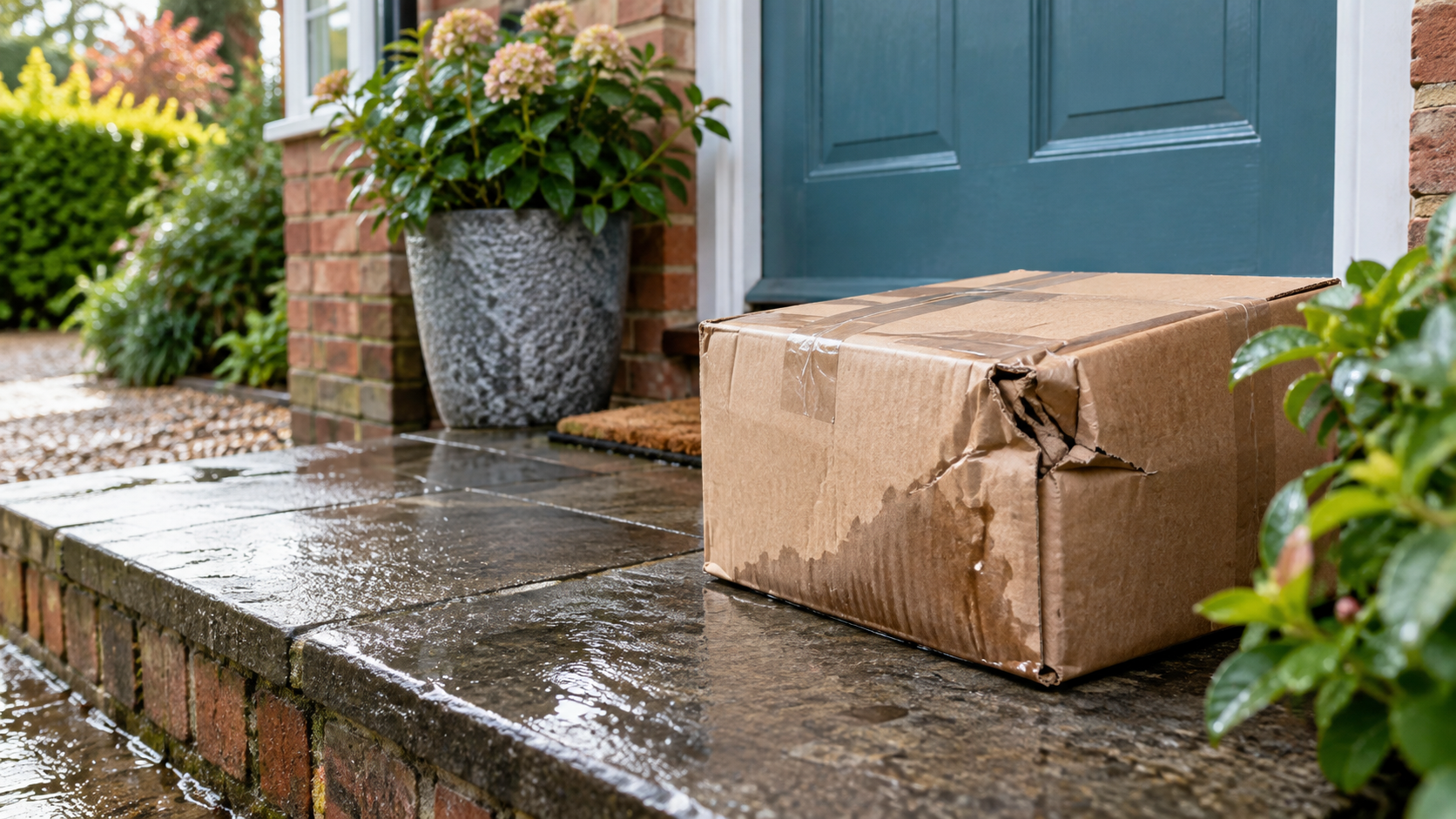
Every parcel that leaves a warehouse carries a financial risk for businesses. Most arrive without issue, but those that are lost, stolen, or damaged can leave a business paying for product, packaging, fulfilment and delivery twice.
For UK retailers, these costs can be high. Research found that retailers spend an average of £7,646 each month managing replacements and returns caused by damaged product and parcels. Shipping insurance and protection offers a way to recover eligible losses instead of a company absorbing the costs within tight margins. Source.
Why Do Ecommerce Businesses Need Shipping Insurance?
Shipping insurance protects the value of goods while in transit. If an insured shipment is lost, stolen, or damaged, the retailer can submit a claim and, subject to the policy's terms, recover some, if not all, of the product's value.
Without suitable cover, replacing an affected order becomes the retailer's responsibility. IMRG estimates that a lost order costs retailers an average of £147.14. This accounts for more than just the product, as businesses may need to resend the parcel to the consumer, meaning they face additional fulfilment, packaging, delivery and customer services costs. Source.
The scale of risk should not be overlooked. More than £666.5 million worth of parcels were reportedly stolen across the UK in one year, whilst Consumer Scotland estimates that 1.3 million parcels failed to arrive in Scotland alone over 12 months. Source.
There is also a long-term commercial impact: 64.3% of UK consumers state they would not reorder from a business after a failed delivery. Although the carrier may be responsible for physically transporting the parcel, customers hold the responsibility on the consumer and expect them to resolve the issue.
Insurance enables businesses to have greater financial stability. Allowing retailers to issue refunds or send replacements quickly without waiting to establish whether the cost can be absorbed or not.
When Do You Need Shipping Insurance?
Not every shipment requires protection. The decision should be made based on the value of the order, how easily it can be replaced and the likelihood of something going wrong in shipping.
Insurance is always worth considering for:
- High-value orders
- Fragile or easily damaged products
- International shipments
- Bespoke or difficult-to-replace goods
- Deliveries to areas with a higher history of loss or theft
- Peak trading periods, when parcel networks are under greater pressure
Businesses need to compare the cost of cover with the potential loss. This should include the product's value, the cost of picking, packing, reshipping and handling the customer's enquiry.
Real-world results show the impact shipping protection can have. Boutique Rugs previously received compensation for only around half of its shipping claims, leaving the retailer to cover the cost of replacements for approximately 2.5% of all orders. After introducing more comprehensive protection, they expected to save $1.5 million a year in replacement costs.
Where Can You Get Shipping Insurance?
Insurance may be available through carriers, third-party shipping insurance providers or as part of a broader business or goods-in-transit policy. Carrier services can often include a standard level of compensation with additional cover available for an extra charge. However, limits and exclusions may vary. Businesses need to check whether the cover is based on retail value, wholesale cost or weight of the shipment and if theft, damage and international transit are included.
It's always important to check excluded products, packaging, evidence, and the deadline for submitting a claim. There is not much point in getting cover if your team cannot meet the conditions needed to make a successful claim. More than 40% of UK retailers reportedly fail to submit claims for lost or damaged shipments, highlighting just how easy it is to miss out on recoverable money.
Managing Insurance Through Shiptheory
Shiptheory simplifies adding carrier-provided insurance directly within the shipping process. Insurance is available through supported carriers including Royal Mail OBA, UPS, FedEx and DPD, with the full list available on our support page. Depending on the carrier, you can select insurance as a shipment enhancement, incorporate it into an automated shipping rule, or enable it in the carrier’s advanced settings. Letting retailers request the right cover when they book a shipment, without treating it as a separate task.
Protect More Than the Parcel
Shipping insurance does not prevent a parcel from being lost, stolen or damaged. What it does mean is that the financial risk is reduced when something does go wrong. By assessing shipment risk, understanding the available cover and building insurance into the shipping process, companies are able to replace affected orders with greater confidence, protect their margins and resolve customer complaints more quickly.