- Shiptheory
Ecommerce Expo 2026: Key Takeaways to Help Retailers Prepare for Peak Season

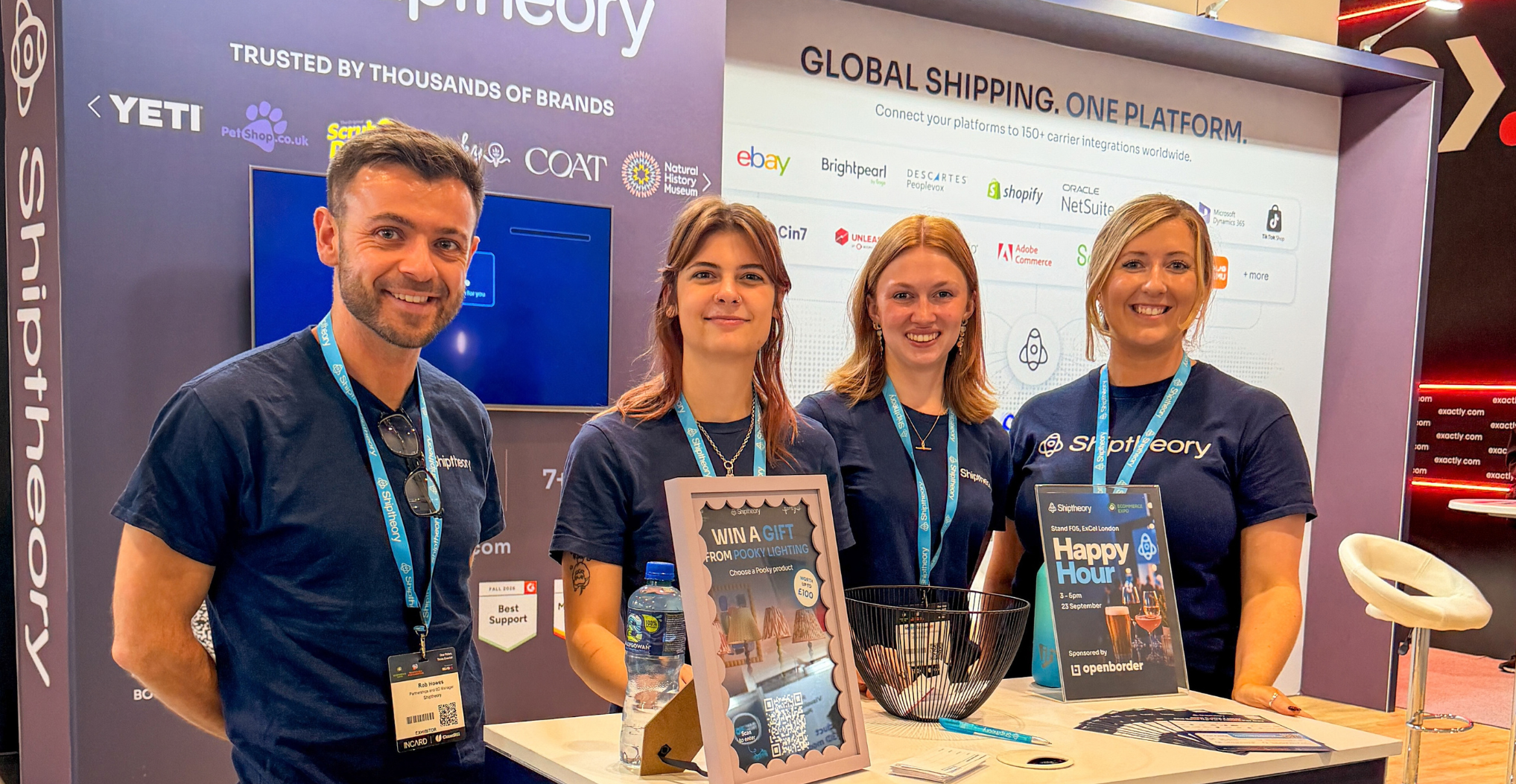
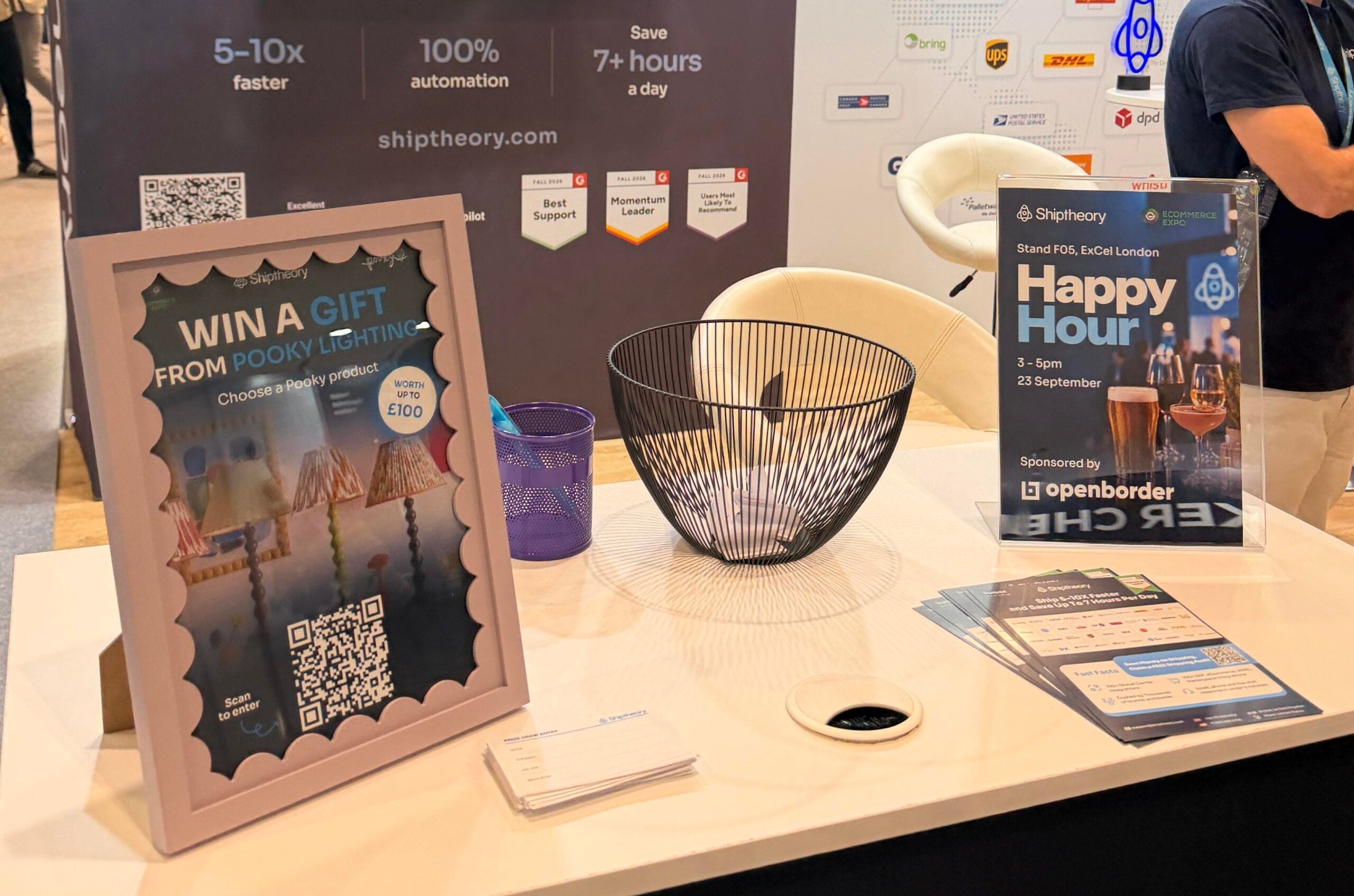
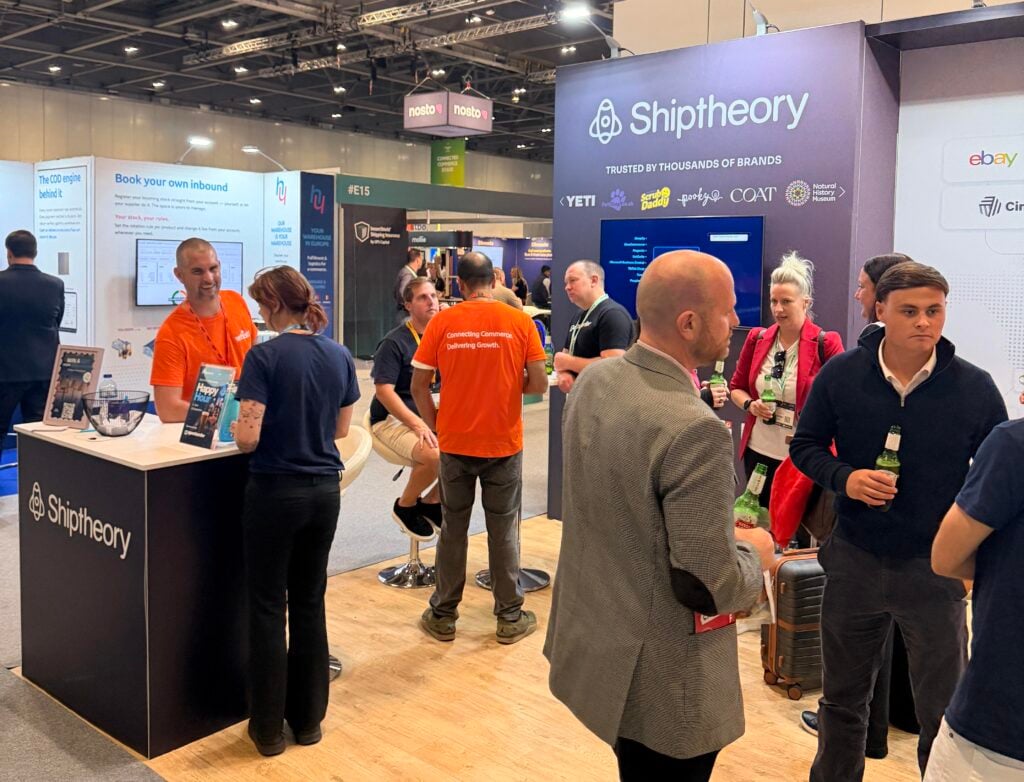
Ecommerce Expo returned to ExCeL London on 23-24 September, bringing thousands of ecommerce professionals under one roof, and the Shiptheory team was right in the middle of it at Stand F05. Over two busy days, we met retailers, caught up with partners and swapped notes on how everyone is getting their shipping ready for peak season.
Peak season was the topic on everyone's minds, and it's easy to see why. With the busiest weeks of the year almost here, retailers told us they want to keep delivery costs under control and give customers more ways to receive their orders, without adding to the load on their fulfilment teams. That made two conference sessions on parcel lockers especially timely, and they're the ones we'd like to share.
Skroutz: Making Every Stop Count
Agamemnon Papazoglou, CEO of Skroutz Last Mile, talked about how the company has built its locker network across Greece and Cyprus. The figure that stuck with us was the average number of parcels delivered per locker stop, which has climbed from 7.2 in 2023 to 19 in 2026.
It matters because so much of last-mile cost comes from the stop itself. A driver delivering to homes has to make a separate stop for every address, whereas at a locker a single visit can cover lots of parcels. The more customers choose lockers, the harder each stop works, and Skroutz's numbers suggest that once shoppers start using them regularly, that usage can keep growing. Greece and Cyprus are a long way from the UK market, of course, but the idea of making every stop more productive travels well, and it's a useful reminder that a network is only as good as the way it's used.
Superdry: Cutting Delivery Costs by 19%
The second session, from InPost and Superdry, showed things from the retailer's side. Superdry already used InPost lockers for returns, with around 50% of returns going through them, so offering locker delivery felt like a natural next step for a brand that had only ever delivered to the door. The aim was to give shoppers more flexibility, particularly younger customers who like to collect parcels around their own schedules.
It didn't take off straight away, though. At launch, just 5% of customers chose lockers. The team then reworked how the option appeared at checkout, including its wording and where it sat on the page, and uptake climbed to around 40%. Locker delivery is now also the only free delivery option Superdry offers, since it's cheaper for the business to ship that way, so price is likely to be part of the appeal alongside the checkout changes.
The lesson we took from it is that offering a choice is only half the job. Customers have to notice it and understand why it might suit them.
What We're Taking Away
The two sessions highlighted a practical opportunity ahead of peak season: offer delivery options that support both customer convenience and fulfilment efficiency. For a retailer already shipping with Royal Mail or DPD, that could mean introducing InPost locker collection alongside home delivery. A broader carrier mix also gives retailers more services to consider as they balance delivery costs, speed and coverage.
Before peak, compare those services against your order profile, confirm collection arrangements and test the shipping workflow. At checkout, clearly explain each option’s price, delivery time and collection process. Superdry’s experience demonstrated why presentation matters: offering an alternative is only the first step; customers need to understand its value.
Shiptheory connects with carriers including Royal Mail, DPD and InPost, allowing retailers to manage their shipments through one platform. Speak to our team about your existing carrier mix and how shipping automation could help you prepare for higher order volumes. Book a demo to explore the options for your business.
A huge thank you to everyone who stopped by Stand F05. We had a brilliant two days and can’t wait for the next one. If you couldn’t attend, we’d be happy to discuss the takeaways and what they could mean for your shipping operation.
You can contact us at support@shiptheory.com or call +44 117 403 4313 / +1 629 666 6726.