- Ecommerce
- Shipping
Choosing the Right Carrier Partner: What Every Retailer Needs to Know

The carrier you choose affects more than your shipping costs. It shapes what your customer sees at checkout, whether their order arrives on time, and whether they buy from you again.
And yet, for many retailers, carrier selection is still an afterthought - a decision made once during setup and rarely revisited.
With consumer expectations rising and the cost of delivery failures mounting, that approach is increasingly expensive.
- 46% of consumers consider reliability a top factor when choosing where to shop.
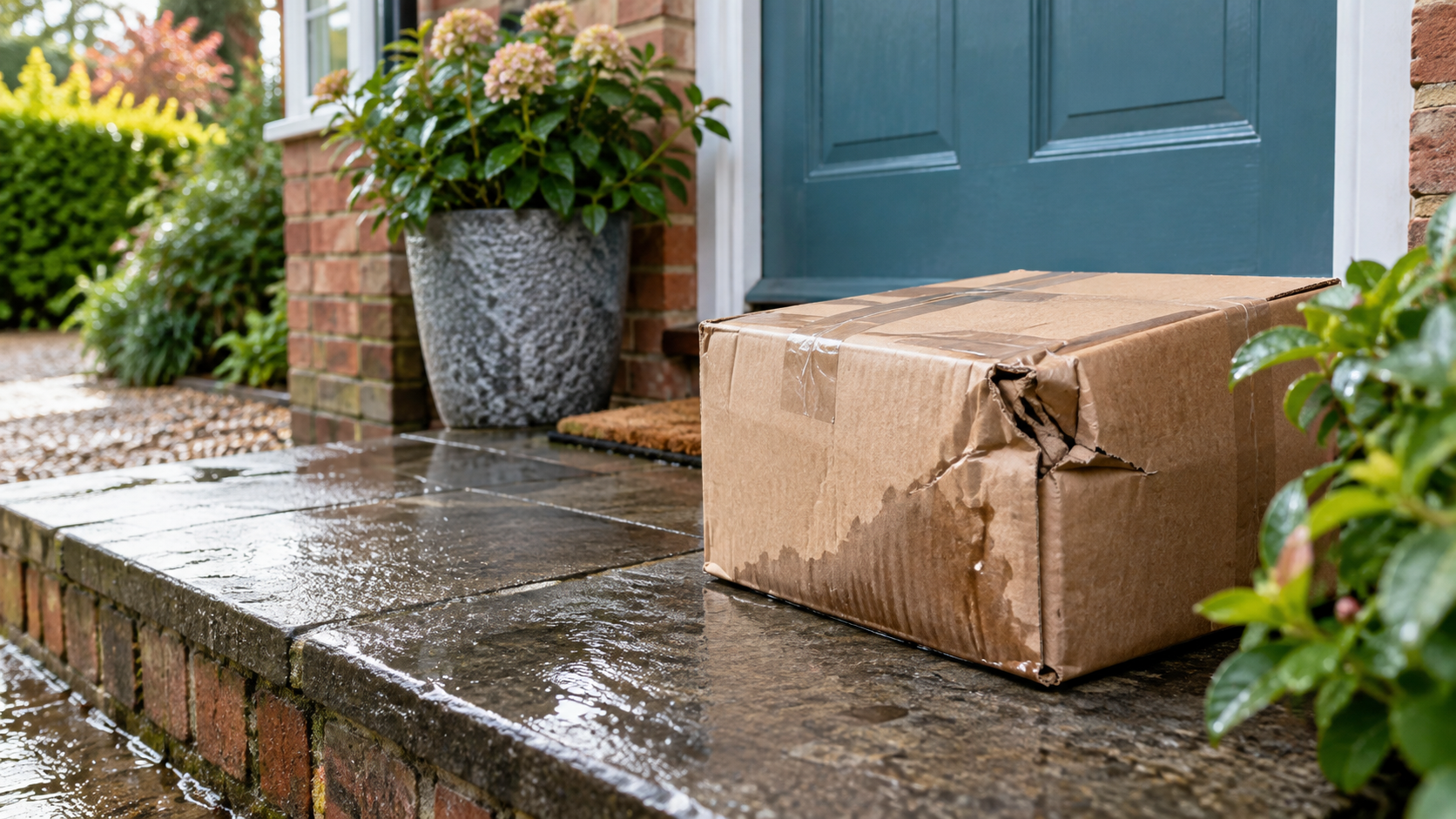
- Failed deliveries cost retailers an average of £11.60 per parcel in the UK, with 70% of shoppers unlikely to return after a failed delivery.
- 68% of shoppers want shorter, more flexible delivery windows.
- 22% of shoppers abandon their basket because shipping is too slow. Source
The right carrier partner doesn't just move parcels. It protects your conversion rate, your reputation, and your margins.

What "right" actually means
There is no single best carrier for every retailer. The right choice depends on your order profile, your customers, your destinations, and your volumes.
A fashion brand shipping lightweight parcels domestically has very different needs to an electrical wholesaler shipping heavy, multi-part orders internationally. A single carrier rarely serves both well.
The most common mistake retailers make is treating carrier selection as a cost decision alone. Price matters, but reliability, coverage, service options, and integration capability matter just as much - sometimes more.
Domestic vs international - different problems, different partners
For domestic shipping, the key questions are reliability, speed, and cost at volume. DPD, Royal Mail, and Evri are among the most widely used carriers across UK retailers Research And Markets, each with different strengths. Royal Mail's network reach is unmatched for lightweight, standard parcels and large letter. DPD's tracking and delivery window notifications consistently score highly with consumers. Evri offers competitive pricing at high volumes.
No single carrier is right for every domestic shipment. Having access to more than one - and the ability to route orders automatically based on weight, service, and destination - gives retailers both flexibility and resilience.
International shipping adds another layer of complexity entirely. Customs documentation, duties and taxes, varying delivery standards by country, and the risk of shipments being delayed at borders all need to be managed. Carriers that specialise in cross-border shipping, like Swap Commerce, handle duties and tax calculation at checkout so customers see the full landed cost upfront - removing surprises and reducing abandoned carts on international orders.
The aggregator vs direct carrier question
Retailers at higher volumes often consider whether to go direct with carriers or work through an aggregator - a platform that provides access to multiple carriers through a single contract and integration.
The case for aggregators is straightforward: one relationship, one invoice, one integration, and access to a range of carriers and rates that would take months to negotiate individually. GFS and Whistl, for example, both give retailers access to a wide carrier network with the operational support and technology to manage it - from label printing to tracking to returns.
The case for going direct is control - your own carrier account, your own rates negotiated on volume, and a direct relationship when things go wrong.
For most mid-size retailers, a hybrid approach works best: direct accounts with one or two core carriers, supplemented by an aggregator for flexibility, overflow capacity, and specialist services.

What to look for in a carrier partner
When evaluating carriers, these are the questions worth asking:
Reliability. What is their first-attempt delivery success rate? How do they handle failed deliveries? What does their customer communication look like?
Coverage. Do they deliver to all the destinations you need, including international markets you're targeting for growth?
Service range. Can they handle your full order profile - standard, tracked, express, heavy, oversized, international?
Technology. Do they integrate with your ecommerce platform or ERP? Can labels be generated automatically, or does it require manual input? How does tracking data flow back to your system?
Scalability. Can they handle peak volume? What happens to your rates and service levels when order volumes spike in November and December?
Support. When something goes wrong - and it will - how quickly and effectively do they respond?
The cost of getting it wrong
A failed delivery costs the average UK retailer £11.60 per parcel. Multiply that across hundreds of orders during peak season and the numbers become significant quickly.
But the hidden cost is the customer who doesn't come back. 78% of UK consumers say they are unlikely to shop with a brand again following a poor delivery experience. Startups Magazine For growing retailers, that churn is far more expensive than the cost of the failed delivery itself.
Investing in the right carrier setup - and the automation to run it reliably at scale - is one of the highest-return decisions a retailer can make.
Making it work in practice
Having the right carriers is only half the equation. The other half is connecting them to your sales channels so that orders flow automatically, the right carrier is assigned without manual intervention, and labels print without anyone touching them.
That's where Shiptheory comes in. Connect your stores, marketplaces, or ERP directly to your carrier accounts - Royal Mail, DPD, FedEx, GFS, Whistl, Swap Commerce, and 70+ more - and let automated shipping rules do the rest.
Ready to review your carrier setup? Start your free Shiptheory trial or book a demo with our team.
You can contact us at support@shiptheory.com or call +44 117 403 4313 / +1 629 6666 726.