- Cost
- Shipping
Meet Magento UK 2026: Key Takeaways on Business Transformation, AI Adoption, and Customer Trust

Last week, the Shiptheory team attended Meet Magento UK 2026 in London. The best advice wasn’t about buying new AI tools. It was about utilising what you already have, getting your data in order before automating and keeping in mind that customers subconsciously judge your brand and site the same way they would judge a person: is it quick, is it reliable, or will it waste their time.
Stop Buying, Start Auditing
Matthew Lawson, Chief Digital Officer at Ribble Cycles, took to the stage with a masterclass in business transformation, using Ribble Cycles as the case study. When facing falling profits despite rising sales, the team was stuck at a crossroads, making the difficult decision to walk away from 75% of their revenue and focus entirely on building a direct-to-consumer bike brand. The risk paid off, and their growth skyrocketed, making the brand what it is today.
Underused tech is the real problem most companies are facing in today's market, not a lack of resources. Lawson compared it to “driving your Ferrari at 30 miles per hour”. Most ecommerce businesses have all the powerful resources they need sitting in their stack, but they aren't being utilised properly. His advice? Audit without sentimentality. Before investing in another new system, check the ones you already have. Are the settings set up properly? Can it do what you're wanting a new platform to do? Is it configured properly?
Boiling down the last two decades of experience in ecommerce into six lessons: give your team a reason to care, find the moment that forces change, stop the noise and distractions, support the partnerships that count, stay strong in the face of adversity, and track the behaviours that drive growth. Numbers are important, but without the right behaviours behind them, change stalls.
AI Adoption: A Realistic Path
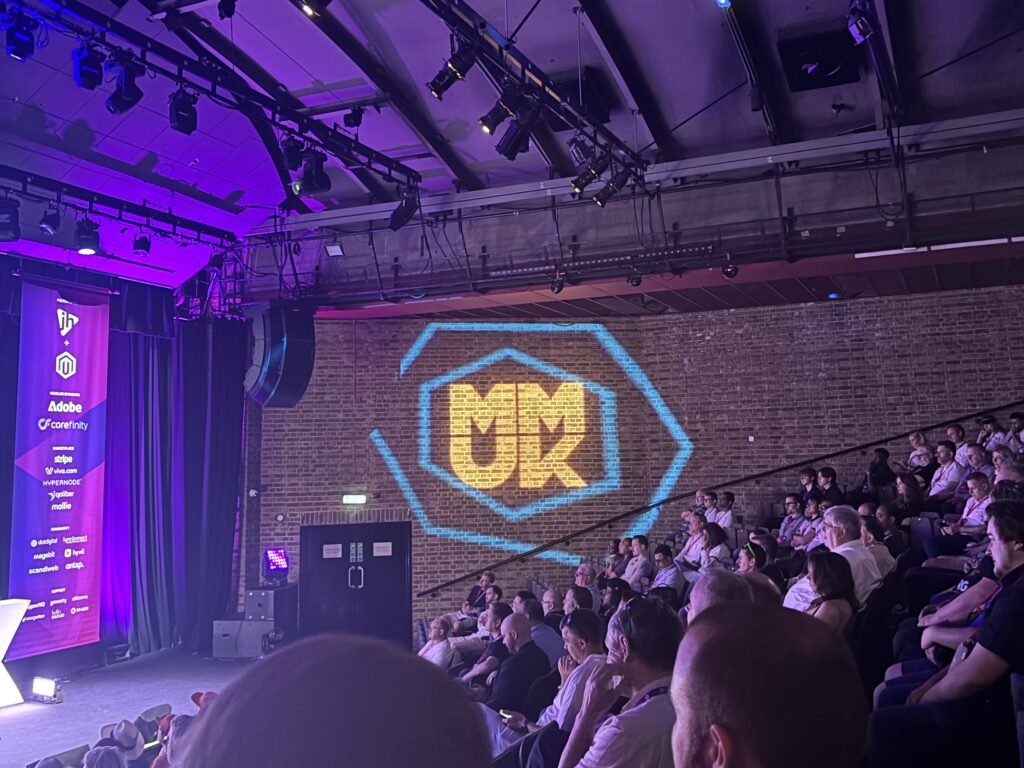
From there, the conversation moved to AI. Hosted by Nick Muldoon, with Lawson returning alongside Andrew Afonin, associate professor and Head of Digital Innovation at UK Trade Furnishings.
Lawson returned for a second session, this time moving from transformation to a hands-on look at how Ribble Cycles actually uses AI day to day. Starting with the development team, using AI to speed up coding and project delivery. This became a launchpad, with developers being moved into customer service to spot the customers' pain points, which enabled them to build an AI knowledge base with automated responses and streamlined workflows, freeing up staff to solve genuinely complex problems. From there, AI adoption spread into operational scheduling, driving efficiency gains across the business.
Afonin described a similar experience at UK Trade Furnishings, but with more warning attached: messy data will tank any AI initiative before it gets off the ground. Mapping and categorising data, documenting workflows, and preparing teams for adoption all come before the automation, not after.
The warning applies just as much to shipping as to anything else. If your order, carrier, or customer data is inconsistent, any automation built on top of it will inherit those errors. Which is exactly why clean carrier and order data have to come before automation, not as an afterthought once something breaks.
Neither panellist believed in one "best" AI tool. Their advice for smaller teams: you don't need a custom build to get started. An off-the-shelf tool applied to one clean, well-defined process is a reasonable first step.
Site Speed and Delivery Experience
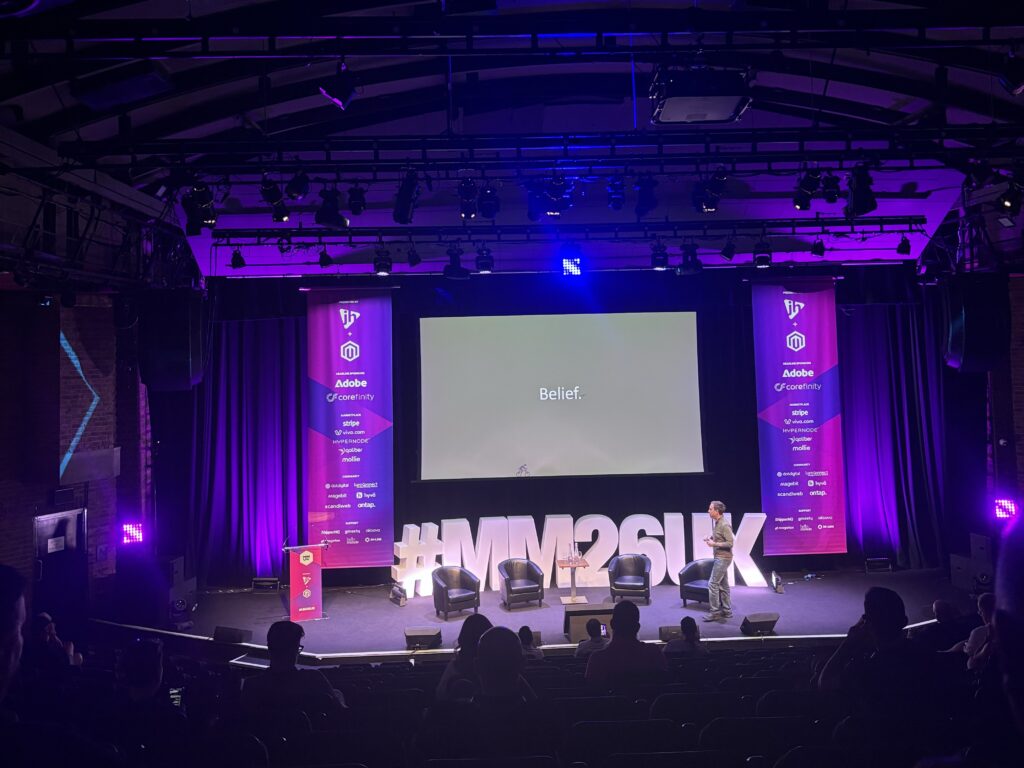
Would you trust a website that took 10 seconds to load? Probably not. Scott Gould explained why: people subconsciously judge websites the same way they judge other people. If a site is slow, confusing, or unreliable, it doesn't just feel inefficient; it feels inconsiderate. Those first impressions shape whether customers trust your business long before they place an order.
Gould described engagement as the shift from "you and me" to "we", moving customers from simply knowing about a brand to becoming genuinely loyal to it. That journey is shaped by every interaction they have with your business. A website that is fast, intuitive, and easy to use builds confidence, while unnecessary friction chips away at trust before a relationship has the chance to develop.
His message was a fitting way to end the day. Technology alone doesn't build loyalty; it's how that technology is used that matters. The businesses that stand out aren't necessarily those with the newest tools, but those that use them to create experiences that are simple, reliable, and consistent.
Final thoughts
These three talks all looked incredibly different from one another on the agenda, but they were making the same point from three different perspectives: The businesses getting ahead right now aren't the ones investing in the newest technology. They are the ones getting more out of what they already have, adopting AI on top of clean data, and paying attention to the small details that customers notice.